

Spot Fake Southern License Plates: A Collector's Guide
Table of Contents
- Why Spotting Fake Southern License Plates Matters
- How to Authenticate Vintage License Plates
- Real vs Reproduction License Plates: Key Differences
- How to Verify a License Plate Serial Number
- Signs of Altered License Plates
- Distinguishing Novelty, Specialty, and Temporary Tags
- A Practical Verification Workflow for Collectors
- What Collectors Should Know Before Buying
- Frequently Asked Questions
Last Updated: October 14, 2026
Why Spotting Fake Southern License Plates Matters
Collectors of Southern memorabilia face a real problem: the market for vintage license plates has exploded, and so has the number of counterfeits circulating.
Counterfeit plates aren't always obvious. Some reproductions are made with surprising care, designed to fool even experienced eyes. Others are crude and fall apart under basic inspection.
Understanding authentication isn't just about avoiding bad purchases. It's about respecting the authenticity of the items themselves. A real vintage plate tells a story about its era, its state, and the vehicles that carried it. A fake tells a different story entirely, one you don't want to be part of your collection.
How to Authenticate Vintage License Plates
The foundation of authentication starts with physical examination. You need to understand how vintage plates were actually made, what materials were used, and how time affects those materials.
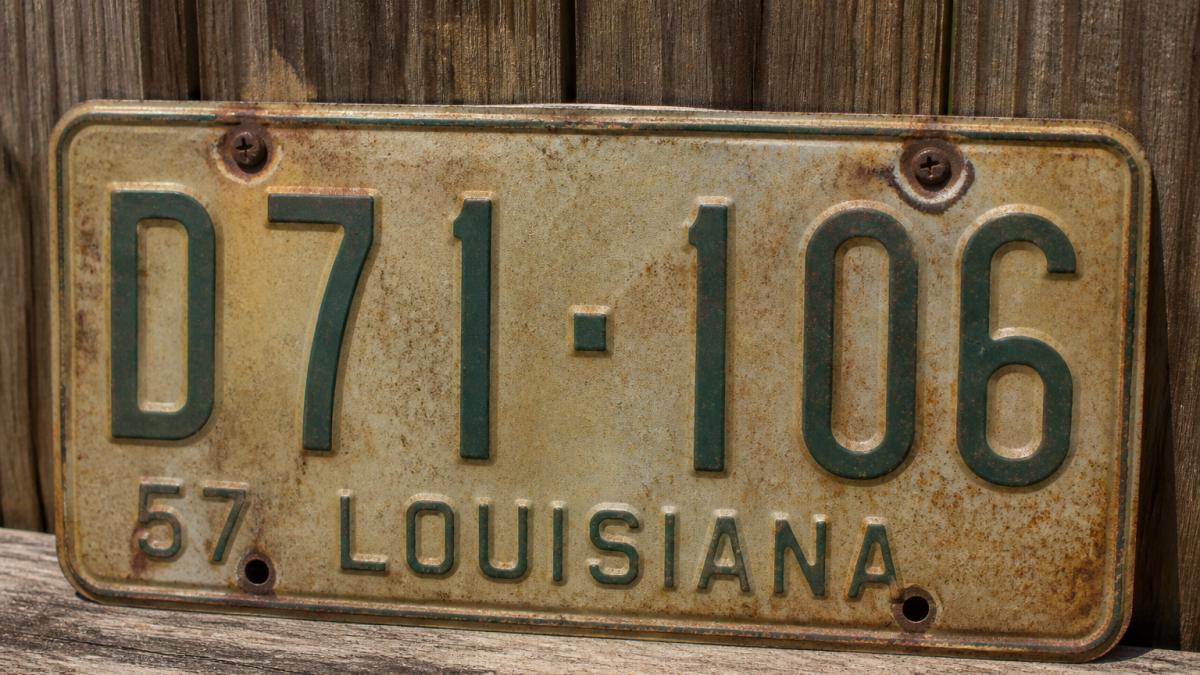
Physical Condition and Manufacturing Signs
Real vintage plates show age in specific ways. The enamel or porcelain surface develops a particular patina. Paint doesn't flake uniformly, it wears where hands and weather hit it most.
Examine the rivets closely. Original plates used specific rivet styles for each era and state. Reproductions often use modern fasteners that look slightly wrong under magnification. The rivet heads should show consistent wear matching the plate's age.
The lettering on authentic plates has a depth and texture that's hard to replicate. Early plates were stamped or embossed, creating raised letters with specific shadows. Later plates used different printing techniques.
Pay attention to the backing material. Older plates used heavier gauge metal. If a plate feels too light or flimsy for its apparent age, that's a warning sign.
Color Consistency and Printing Quality
State-specific color combinations are your first clue. Southern states used distinct color schemes across different decades.
Look at how colors transition on the plate. Real vintage plates show color variations caused by age, fading, and exposure. The color should fade gradually in patterns that match natural weathering.
Printing quality matters enormously. Examine the letters and numbers under bright light. Authentic plates show consistent ink or paint application with minor imperfections that reflect the era's printing technology.
The background should have consistent texture. Some states used stippled or textured backgrounds. If you're familiar with how that texture should look, reproductions often get it wrong, either too smooth or with inconsistent patterns.
Real vs Reproduction License Plates: Key Differences
Understanding the distinction between genuine vintage plates and reproductions requires knowing what manufacturers actually did and what modern makers do instead.
Material and Weight Variations
Original Southern plates used steel, aluminum, or occasionally porcelain enamel over metal. Each material has specific weight and feel. Steel plates from the 1940s-1960s have substantial heft. Aluminum plates are lighter but still solid. Porcelain plates are distinctly heavier than you'd expect.
Run your hand across the surface. Real vintage plates have subtle imperfections, tiny dimples, slight warping, or uneven surfaces from the manufacturing process. Modern reproductions tend to be too flat and perfect.
Check the edges. Original plates were cut and finished with specific edge treatments for each era. Rough, sharp edges might indicate an older plate. Smooth, rolled edges suggest a different era or possibly a reproduction. The edge finish should match the state and year you believe the plate represents.
Lettering and Number Alignment
Authentic plates show alignment variations that reflect the equipment used to stamp or print them. Numbers and letters should sit on consistent baselines, but minor variations are normal. Perfect alignment across every character suggests a modern reproduction.
Examine character spacing. Original equipment created consistent spacing for most plates, but variations exist. Some characters might sit slightly higher or lower. This isn't a defect, it's evidence of authentic manufacturing.
The thickness and depth of lettering matters. Stamped letters should have consistent depth across the plate. Painted letters should show even coverage with slight color variations. If letters look artificially uniform or have suspicious shadows, reproduction is likely.
How to Verify a License Plate Serial Number
Many states incorporated dating systems into their plate designs. Learning to read these systems helps confirm authenticity and age.
Understanding State-Specific Serial Formats
Each Southern state used different numbering schemes. Some states included the year of issue in the plate design. Others used letter combinations that corresponded to counties or regions. Understanding your state's system is essential.
Research the specific state you're examining. Texas plates from different decades look distinctly different. Louisiana plates evolved through several design changes. Georgia, Alabama, Mississippi, Arkansas, each state has its own history of plate designs and numbering systems.
Look for documentation about the state's plate format. Many collector resources detail the exact specifications for each year and state combination. If your plate doesn't match the documented format for its claimed year and state, that's a red flag.
Cross-Checking Year and Design Against Known Records
Collector databases and historical resources document authentic plate designs by year. Use these references to verify that your plate's design matches what was actually produced in its claimed year.
Check multiple sources. A single reference might contain errors. Cross-reference at least two or three documented sources before concluding that a plate matches its claimed year.
Pay attention to design changes between years. States often updated their plate designs annually or every few years. A plate claiming to be from 1955 should look distinctly different from a 1956 plate from the same state. If you can't find documented evidence of the specific design you're examining, investigate further.
Signs of Altered License Plates
Some fakes aren't made from scratch, they're modifications of real plates. Learning to spot alterations protects you from this category of deception.
Evidence of Paint Removal or Repainting
Authentic aging creates specific patterns. Rust appears where moisture collects. Paint fades where sun exposure is strongest. Alterations create different patterns.
Look for areas where paint has been removed and reapplied. The new paint sits differently on the surface. Under magnification, you'll see the edge where old paint ends and new paint begins. Authentic weathering doesn't create these sharp boundaries.
Repainting often obscures the original lettering slightly. The new paint fills small imperfections and makes the surface too smooth. Real aging creates texture and variation in the surface finish.
Mismatched Rivets, Fasteners, and Backing
Original plates used rivets or fasteners appropriate to their era. If you see modern stainless steel rivets on a plate claiming to be from the 1950s, that's a modification. The fasteners should match the age and style of the plate.
Examine the backing material where fasteners attach. Real vintage plates show consistent oxidation and wear around rivet holes. If the backing looks new or artificially clean around fasteners, someone has tampered with the plate.
The backing should show uniform aging. If some areas look original and others look refinished, the plate has been altered. Authentic plates age consistently across their entire surface.
Distinguishing Novelty, Specialty, and Temporary Tags
Not every plate you encounter is a vintage original. Understanding legitimate variations helps you avoid false positives.
Novelty plates are made to look vintage but are clearly marked as reproductions. They're designed for decoration and display, not deception.
Specialty plates issued by states for specific purposes, commemorative designs, personalized plates, or organizational plates, are authentic but different from standard issue plates. These follow state specifications and have legitimate documentation.
Temporary tags and transit plates served specific purposes. They look different from permanent registration plates and shouldn't be confused with vintage plates. These are legitimate but represent a different category entirely.
Understanding these categories prevents you from mistaking a legal specialty plate for either a fake or a valuable vintage piece.
A Practical Verification Workflow for Collectors
Follow this systematic approach when evaluating a plate you're considering for your collection.
Step 1: Examine the Plate in Bright Light
Start with visual inspection in natural daylight or bright indoor lighting. Look at the overall condition. Does the aging pattern make sense? Are there areas that look too clean or too worn?
Examine the surface texture. Run your fingers across it. Real vintage plates have specific tactile qualities that reproductions struggle to replicate. The surface should feel consistent with its claimed age.
Check for obvious inconsistencies. Mismatched colors, obviously new paint, or clearly modern components are immediate red flags.
Step 2: Research the State Design and Year
Identify which state the plate claims to be from. Research that state's plate designs for the claimed year. Look at multiple sources to confirm the design specifications.
Document what authentic plates from that state and year should look like. Note the exact color combinations, lettering styles, and any special design features.
Compare your plate against this documented information. Does it match? Are there discrepancies?
Step 3: Compare Against Known Authentic Examples
Find photographs or examples of verified authentic plates from the same state and year. Compare your plate directly against these known examples.
Look for subtle details that distinguish authentic from fake. Manufacturing variations, color intensity, lettering depth, and patina patterns should align with authentic examples.
If your plate differs significantly from documented authentic examples, investigate why. Sometimes variations exist for legitimate reasons. Sometimes they indicate a reproduction.
Step 4: Document Your Findings
Create a record of your assessment. Note the plate's condition, design elements, manufacturing details, and how it compares to authenticated examples.
Document any concerns or unusual features. If you're uncertain about authenticity, note the specific details that created doubt.
This documentation helps you remember your reasoning and provides a reference for future evaluations.
What Collectors Should Know Before Buying
Approaching plate purchases strategically protects your collection and your investment.
Buy from reputable sources when possible. Established collectors and dealers with track records build reputation on authenticity.
Ask questions before purchasing. Reputable sellers welcome questions about authenticity, condition, and provenance.
Request detailed photographs from multiple angles if buying online. These help you perform your own verification before committing to a purchase.
Consider the price. Authentic vintage Southern license plates have genuine value. Prices that seem too good to be true often are.
Understand return policies. Reputable sellers offer return windows that give you time to verify authenticity after receiving the plate.
Building an authentic collection of Southern memorabilia requires knowledge and attention to detail.
Frequently Asked Questions
How can you tell if a vintage Southern license plate is authentic?
Authentic vintage Southern license plates show consistent color, properly aligned letters and numbers, original rivets, and wear patterns consistent with age. Check that the state design matches historical records for that year, the background color is uniform without fading or repainting, and the metal shows natural patina rather than artificial aging. Compare your plate against known authentic examples from collector databases or museums.
What are the main differences between real and reproduction license plates?
Genuine plates use heavier gauge steel with original manufacturing marks, while reproductions often feel lighter and show signs of modern printing methods. Real plates have rivets that match the era and are properly seated; reproductions may have mismatched fasteners. The lettering on authentic plates aligns perfectly with consistent spacing; reproductions frequently show slight misalignment. Authentic plates also display natural aging and patina, whereas reproductions often have artificial or uniform aging.
What details should you check on an old license plate to verify it?
Examine the serial number format against your state's historical records for that year. Check that the state name, seal, and design elements match the correct time period. Inspect the background color consistency and look for evidence of repainting or alteration. Verify rivets are original and properly spaced. Look at the lettering style, font size, and number placement against documented examples. Finally, assess the overall condition and patina for authenticity and consistency with the plate's claimed age.
What are common signs that a license plate has been altered?
Altered plates often show paint overspray, uneven color, or areas where original paint has been stripped. Look for mismatched or replaced rivets that don't align with the original pattern. Numbers or letters may appear to have been filed, restriped, or repositioned. The backing material may be different from the original, or fasteners may be modern replacements on an old plate. Unnatural wear patterns, inconsistent patina, or areas of the plate that look newer than others also indicate alteration.